Your Trip Story
Kyoto wakes up quietly. Steam curls from convenience-store oden pots, a crow heckles from a tiled roof, and somewhere in Higashiyama a delivery scooter whines up a slope older than most countries. In the alleys around Gion, noren curtains still hang low and the air smells faintly of incense and last night’s grilled eel. This isn’t the Kyoto of tour buses and selfie sticks; this is the Kyoto that locals guard, the one you only really meet if you’re willing to walk a little further, look a little closer, and move a little slower in the right places. This three-day itinerary is built for that kind of looking. It threads through textile studios in Nishijin, contemporary galleries in Nakagyo, and mountain shrines in Kurama, pulling you away from the crush of Fushimi and Arashiyama at peak hours and into the quiet where Kyoto’s real voice lives. You’ll move between the former imperial gardens and tiny design-forward galleries, from shibori workshops where your fingers stain with indigo to maiko performances that feel closer to a salon than a stage. Think of it as a cultural relay: each stop handing you another piece of the city’s long, layered story. Day one keeps you close to Higashiyama and downtown—pottery dust on your fingers in the morning, tempura oil crackling at lunch, contemporary illustration and maiko dances after dark. Day two arcs north and west, into palace gardens and textile houses, where looms clack softly and pattern books smell faintly of starch and age. By day three you’re in the hills of Kurama, following cedar-scented paths and shrine lanterns, before dropping back into the city for design galleries and wagyu that dissolves the moment it touches your tongue. You leave with more than photos of torii tunnels. You leave with the feel of washi paper under your palms, the sound of geta on stone in Gion’s side streets, the particular winter light on Kyoto Gyoen’s gravel paths. The kids go home talking about samurai armor and manga genga; you go home replaying the quiet of Kuramadera’s steps and the way a Kyoto weaver explained negative space like it was a family recipe. It lingers—softly, insistently—long after your suitcase is unpacked.
The Vibe
- Hidden Kyoto studios
- Quiet shrines
- Design-forward family trip
Local Tips
- 01Treat Gion like someone’s living room: keep voices low, don’t block alleys, and never photograph geiko or maiko up close—Kyoto is actively tightening rules here.
- 02Carry a small coin pouch; many shrines, small workshops, and older cafés are still cash-preferred, even in 2025.
- 03Kyoto’s best hours are early and late. Hit major sights on the edges of the day and use mid-morning for galleries and workshops where crowds thin.
The Research
Before you go to Kyoto
Neighborhoods
When exploring Kyoto, don't miss Gion, the city's famous geisha district, where you can witness the traditional culture and perhaps catch a glimpse of a geiko. Another must-visit area is Fushimi, known for its stunning shrine and picturesque streets lined with sake breweries.
Events
If you're in Kyoto in December 2025, be sure to check out the traditional festival happening on December 2 and 3, which features multiple celebrations throughout the day. Additionally, there's a unique concert featuring traditional instruments on December 3 at Gen Home Saiin, offering a cultural experience you won't want to miss.
Etiquette
In Kyoto, it's important to respect local customs, especially in areas like Gion, where a new rule bans tourists from certain parts to preserve the atmosphere. Always be mindful of your surroundings and avoid loud conversations, as the locals value tranquility and discretion.
Where to Stay
Your Basecamp
Select your home base in Kyoto, Japan — this anchors your journey and appears in the navigation above.
The Splurge
$$$$Where discerning travelers stay

Four Seasons Hotel Kyoto
The Four Seasons Kyoto wraps around a historic pond garden, where koi move under maple reflections and the sound of water muffles the city beyond. Inside, everything is hushed—thick carpets, soft lighting, and a subtle floral scent that follows you from lobby to lounge.
Try: Take tea or a glass of champagne by the window and watch the fish trace slow patterns in the pond.
The Vibe
$$$Design-forward stays with character

Genji Kyoto 源氏京都
Genji Kyoto feels like a contemporary take on a machiya: narrow, vertical spaces, warm wood, and a rooftop garden that peeks over the Kamo River. The interiors are quiet and thoughtfully detailed, with the soft scent of natural materials and the distant rush of the river below.
Try: Spend a few minutes each day on the rooftop, watching the city’s light and sound change with the hour.
The Steal
$$Smart stays, prime locations

Cross Hotel Kyoto
Cross Hotel Kyoto stands just off Kawaramachi’s main drag, a modern building with clean lines, a bright lobby, and quietly humming elevators. Rooms are streamlined but comfortable, with big bathtubs and just enough design detail to feel considered rather than generic.
Try: Make use of the oversized tub after long walking days; it’s practically built for soaking sore legs.
Day by Day
The Itinerary

Culture
Clay, Paper Lanterns & Maiko After Dark
Morning comes soft through Higashiyama’s narrow streets, the air cool and faintly mineral from last night’s rain. You step out from your base near Gion into a neighborhood that still smells of incense and miso soup, starting with hand-thrown cups and quiet conversation at a family pottery shop rather than a buffet line. As the city warms, you trade clay for textiles, then move toward the imperial heart of Kyoto where gravel paths crunch underfoot and crows argue in the tall pines of Kyoto Gyoen. By midday, you’re back in Higashiyama, ducking into a tiny workshop where kids’ hands learn the logic of traditional crafts, silk cords and metal findings cool against their fingers. Afternoon is for color and pattern: shibori scarves slowly taking shape, then a small contemporary gallery downtown where the staff talk about emerging Kyoto artists like they’re friends, not inventory. Evening turns golden along the Kamogawa; lanterns blink on in Gion while tempura crackles in hot oil and the room fills with the soft clink of chopsticks on ceramic. You end the night in a quiet hall watching a maiko dance, the rustle of silk and the slide of shamisen strings hinting at the deeper Kyoto you’ll keep chasing tomorrow in the hills and studios further north.

Pottery Shop Toutensei Kawasaki
Pottery Shop Toutensei Kawasaki
A narrow-fronted shop on Gojobashihigashi, Toutensei Kawasaki feels like a quiet kiln-side cave: shelves stacked to the ceiling with bowls, cups, and plates in muted celadons and smoky whites. The light is soft and slightly dusty, picking up the irregularities in each glaze, and the only real sounds are the murmur of the owners and the rustle of wrapping paper.
Pottery Shop Toutensei Kawasaki
From the shop, hop on a short taxi ride or bus toward central Shimogyo for your textile museum stop.

Nishijin Asagi Museum
Nishijin Asagi Museum
Perched on an upper floor, Nishijin Asagi Museum feels like a quiet jewel box: glass cases of obi and kimono fabrics, their metallic threads winking under carefully angled spotlights. A side room houses ukiyo-e prints, the paper slightly textured under glass, with the faint smell of old books and fabric dye lingering in the air.
Nishijin Asagi Museum
Walk 10 minutes or take a brief subway hop north toward the imperial precinct for your garden stroll.
Kyoto Gyoen National Garden
Kyoto Gyoen National Garden
A vast swath of green and gravel in the city’s center, Kyoto Gyoen feels like an outdoor tatami mat rolled out around the old imperial palace. Tall pines and broad lawns break up wide, pale paths, and the soundscape is all distant birds, bicycle bells, and the soft crunch of gravel underfoot.
Kyoto Gyoen National Garden
From the garden’s southern exit, catch a taxi or bus back toward Higashiyama’s slopes for lunch.

Taikenkobowaraku
Taikenkobowaraku
Part shop, part workshop, Taikenkobowaraku has the warm clutter of a Kyoto townhouse: display cases full of delicate accessories, worktables set with tiny tools, and the faint scent of tea and metal polish. Voices stay low, but there’s an undercurrent of excitement as visitors concentrate on their creations.
Taikenkobowaraku
Step back out into the Higashiyama streets and walk uphill through the old lanes toward your afternoon craft workshop.

Kyoto Shibori Museum
Kyoto Shibori Museum
Compact and vertical, the Kyoto Shibori Museum stacks exhibits and workshop space in a building that smells of dye and steam. Silk pieces hang like banners overhead, saturated blues and reds catching the light, while demonstration tables are laid with rubber bands, threads, and cloth waiting to be transformed.
Kyoto Shibori Museum
Step back into the late-afternoon light and stroll 10 minutes through Nakagyo’s grid of streets to your next gallery stop.

Kyoto Art Gallery
Kyoto Art Gallery
A clean, white-walled space tucked into Shimogyo, Kyoto Art Gallery is quiet enough that every footstep on the wooden floor registers. Natural light washes in from high windows, catching on canvases and framed prints that lean toward contemporary takes on Kyoto landscapes and abstract work from local artists.
Kyoto Art Gallery
From the gallery, wander back toward Gion on foot or by short taxi, letting the neon along Kawaramachi give way to lantern light.

Kyoto Tempura Ten no Meshi Gionhonten
Kyoto Tempura Ten no Meshi Gionhonten
The Gionhonten branch is compact and lively, with counter seats wrapped around a gleaming fry station where oil snaps and pops under a warm, golden light. The air smells of sesame and fresh batter, and staff call out greetings in cheerful waves that bounce off the wooden walls.
Kyoto Tempura Ten no Meshi Gionhonten

Art
Textiles, Miniatures & Maiko Lights
Today opens with fabric and pattern instead of temple bells. You’re in Nakagyo now, where old townhouses hide workshops behind restrained wooden facades, and the air smells more of coffee and print ink than incense. The morning is all about touch: the raised grain of handwoven obi at KOHO TATSUMURA, the soft give of indigo-dyed cotton, the cool precision of miniature Kyoto streetscapes in a tiny shop that feels like a movie set paused mid-scene. By midday, you drift toward the river, kids pulling you into a samurai museum where armor creaks softly on stands and the clack of wooden practice swords echoes down the corridor. Afternoon slides from analog to illustrated: manga genga and anime cells at Japanime Art Gallery, then a design-focused gallery in a sleek building where typography and posters tell stories as layered as any scroll painting. As the light fades, Kawaramachi’s neon flickers on and the smell of grilled meat and soy drifts up from side streets. You end with wagyu sukiyaki that melts on your tongue and a live maiko performance that feels like being invited into a private world—silk sleeves whispering, shamisen strings humming softly in your chest—before stepping back into the city’s night glow.

KOHO TATSUMURA
KOHO TATSUMURA
KOHO TATSUMURA occupies a quiet building where the air is thick with the history of weaving—threads, pattern books, and finished textiles all carrying the faint scent of starch and stored fabric. Looms sit at the center like instruments, their wooden frames worn smooth where hands have rested for decades.
KOHO TATSUMURA
From the studio, grab a taxi south toward central Nakagyo, cutting through the city while everyone chats about their favorite patterns.

BONCHI Kyoto Miniature(ボンチキョウト)
BONCHI Kyoto Miniature(ボンチキョウト)
This miniature-focused store feels like a secret toy theatre: glass cases filled with tiny Kyoto streets, shops, and trains, all lit by warm cabinet lights. The air is still, and the main sounds are children’s whispers and the soft explanations of staff pointing out details.
BONCHI Kyoto Miniature(ボンチキョウト)
Step back onto the street and walk a few minutes through Shikiamicho’s grid to your next hands-on craft stop.

京からかみの体験工房とショップ 唐丸 Karamaru
京からかみの体験工房とショップ 唐丸 Karamaru
A local favorite in Shimogyo Ward that's earned its reputation. Worth the visit.
京からかみの体験工房とショップ 唐丸 Karamaru
After the workshop, it’s a 10-minute walk through central streets to your lunch spot near Kyoto Station’s orbit.

GYUKATSU Kyoto Katsugyu Kyoto Ekimae
GYUKATSU Kyoto Katsugyu Kyoto Ekimae
Close to Kyoto Station, this Katsugyu branch has the clean, slightly utilitarian feel of a well-run chain: bright lighting, laminated menus, and the ever-present sizzle of hot plates. The air smells of frying beef and cabbage, and diners focus intently on their own tabletop grills.
GYUKATSU Kyoto Katsugyu Kyoto Ekimae
From here, hop on the subway or walk north into Nakagyo for an afternoon of samurai lore and art.

SAMURAI NINJA MUSEUM Kyoto
SAMURAI NINJA MUSEUM Kyoto
This museum feels part history lesson, part theme park: dimly lit rooms full of armor and weapons, interactive zones where wooden swords clack together, and the faint smell of metal and dust in display areas. Guided tours inject drama and humor, keeping the energy high.
SAMURAI NINJA MUSEUM Kyoto
Step back into daylight and wander 10 minutes toward Teramachi’s quieter backstreets for your next gallery stop.
Japanime Art Gallery
Japanime Art Gallery
Tucked on a Nakagyo street, Japanime Art Gallery is bright and compact, walls lined with framed anime genga and cels that glow under crisp lighting. The room hums quietly with the buzz of fluorescent lights and the low chatter of fans spotting favorite characters in the original linework.
Japanime Art Gallery
From the gallery, it’s a short 8–10 minute walk to the COCON KARASUMA building for your design-forward gallery fix.

kyoto ddd gallery
kyoto ddd gallery
On the third floor of a modern building, kyoto ddd gallery feels like a design magazine brought to life: white walls, crisp typography, and carefully lit posters and books floating against neutral backdrops. There’s a faint smell of paper and ink, and the soundscape is mostly footsteps and the occasional low conversation between visitors.
kyoto ddd gallery
Step back out onto Karasuma-dori and stroll or taxi a short distance east toward Kawaramachi for dinner.

WAGYU SUKIYAKI 極~GOKU~京都河原町 Kyoto Kawaramachi
WAGYU SUKIYAKI 極~GOKU~京都河原町 Kyoto Kawaramachi
GOKU’s interior is all warm wood and soft spotlighting, giving each table the feel of a private stage. Iron pots bubble gently on built-in burners, releasing a sweet-savory perfume of soy, mirin, and wagyu fat that hangs in the air like a promise.
WAGYU SUKIYAKI 極~GOKU~京都河原町 Kyoto Kawaramachi
Adventure
Cedar Trails, Mountain Shrines & Nighttime Kyoto Glow
Last night’s city lights fade into the rearview as you ride the train north, trading concrete for cedar and the metallic rattle of tracks for birdsong. Kurama’s air hits different—cooler, sharper, carrying the smell of damp earth and fallen leaves as you begin the climb toward Kuramadera, stone steps rising through a tunnel of trees. The morning is all vertical: shrines tucked into the hillside, the occasional ring of a temple bell, your own breath loud in your ears as kids race ahead and then double back, giggling at the idea of mountain spirits. By midday you’re eating simple, satisfying food in a local restaurant where the floorboards creak and steam fogs the windows, then pushing on to Kifune’s rear shrine, where lanterns line the path and the river chatters below. Afternoon brings you back down to the city, feet a little sore but senses sharpened, ready for one last hit of Kyoto’s classic side: maybe the silver light of Ginkaku-ji’s gardens or the calm geometry of a Zen rock garden. Evening returns you to the river and the low slopes of Higashiyama, bellies full of gyukatsu or local fare, before you slip into a maiko performance that reframes everything you’ve seen—the shrines, the studios, the quiet discipline behind it all—into one hour of concentrated grace.

Mount Kurama
Mount Kurama
Mount Kurama rises north of Kyoto in deep greens and browns, its trails a mix of stone steps, packed earth, and roots that form natural ladders. The air smells of cedar and damp soil, and apart from the occasional train horn far below, the soundtrack is wind in leaves and the crunch of your own footsteps.
Mount Kurama
Continue up the mountain path directly toward Kuramadera Temple, following the signs and stone steps.

Kuramadera Temple
Kuramadera Temple
Kuramadera clings to the mountainside with broad stone steps and wooden halls that smell of incense and wet timber. From its terrace, the valley drops away in soft layers, and inside, tatami and polished floors creak softly under socked feet.
Kuramadera Temple
Follow the trail signs across the ridge toward Kibune, continuing the walk through the forest toward your next shrine.
![Kifune Shrine - Okumiya [Rear Shrine]](/_next/image?url=https%3A%2F%2Fd3noobjad2lvzb.cloudfront.net%2Fphotos%2Fproxy%3Fphoto_reference%3DAWn5SU67VDUWGT9c9Xap2gnhJ1zwzFi23avnHdcxrIYdsJ_0qTuh1Y6xq2Rg2_IjxJRtpExGEgt-8ewgBsYAG305-hxtQakofVeLv2z4_RnzidMQvO_91XPxgOtieArrLfDQXJKPytB-Xbl_4oKKrmtpKcdeCIJz4CSaBwE300sCEvbovk15pFrvlcpC8M6kQffDmA5zmHLFjXjoq4xNCg4xRsZGRvWEglpPQM2vwSKPaR-DpBx96CwZlIHiw9irIg0EBoXFCHonRBgT-RHRGNrhupWgD-dw2jPq_lK9Nbm1wksutQGylbxm83054UCImWPyW2-jjFjc19fEqBqSBMez4dkoWuN4FG5JFHZYQohBNV8UB_7xCUtGHdHcp7G2QSaqr0mVQukSmouxjXrJoXs7wKd1JjwhAbR_LUwA3-XGLN6uayvs8f-qVD6D3q2xbXW180ZCNuTi3oTRmqRB3mTRvLR5RRKjTrt8B7aI-yuBvvJNGoAakZoE9Eb0m0jzari6o4cgiiQYEt2-hnbf2Ya24zLLuCJCCwoXnxD1kKzhGhaFZz3uLCW5q6gSU2zr7d5xb7WT9DOL%26maxwidth%3D800&w=3840&q=75)
Kifune Shrine - Okumiya [Rear Shrine]
Kifune Shrine - Okumiya [Rear Shrine]
This rear shrine sits in a quiet pocket of forest above Kibune, with stone steps, red lanterns, and wooden buildings darkened by weather. The ever-present sound of water from the nearby river and channels underlines the area’s association with rainfall and water deities.
Kifune Shrine - Okumiya [Rear Shrine]
From the shrine area, walk back down into Kibune village and then catch the train back toward Kyoto, aiming for a late lunch near the station.

Yōshuji
Yōshuji
Yōshuji is a cozy, slightly ramshackle restaurant where wooden beams, handwritten menus, and the clatter of dishes create a warm, lived-in atmosphere. Steam from hot pots and grilled items fogs the front windows, and there’s a constant, comforting clink of chopsticks against ceramic.
Yōshuji
After lunch, make your way back to Kyoto by train, then transfer toward Sakyo Ward for an afternoon garden visit.

Ginkaku-ji
Ginkaku-ji
Ginkaku-ji, the Silver Pavilion, sits above a meticulously raked sand garden and mossy grounds that feel more contemplative than showy. The air is cool and damp, especially after rain, and the path climbs gently, offering framed views of the pavilion and Kyoto beyond.
Ginkaku-ji
From Ginkaku-ji, catch a bus or taxi back toward central Kyoto for a different kind of quiet at a Zen rock garden.

Ryōan-ji
Ryōan-ji
Ryōan-ji’s rock garden is the main act: fifteen stones on a sea of raked gravel, viewed from a long wooden veranda that smells of old wood and tatami. The surrounding grounds include a reflective pond and mossy paths that absorb sound, making the whole complex feel hushed even when visitors are present.
Ryōan-ji
Head back into town by bus or taxi, aiming for the Kawaramachi/Sanjo area for an early-ish dinner.

Kyoto Gyukatsu Motomura Sanjo Kawaramachi Branch
Kyoto Gyukatsu Motomura Sanjo Kawaramachi Branch
Motomura’s Kyoto branch is compact and efficient, with counter and table seating packed into a modest space. The smell of frying beef cutlets mingles with miso and rice steam, and there’s a constant, comforting clatter of trays and chopsticks.
Kyoto Gyukatsu Motomura Sanjo Kawaramachi Branch
From the restaurant, it’s a short walk into central Nakagyo for your final evening of Kyoto culture.
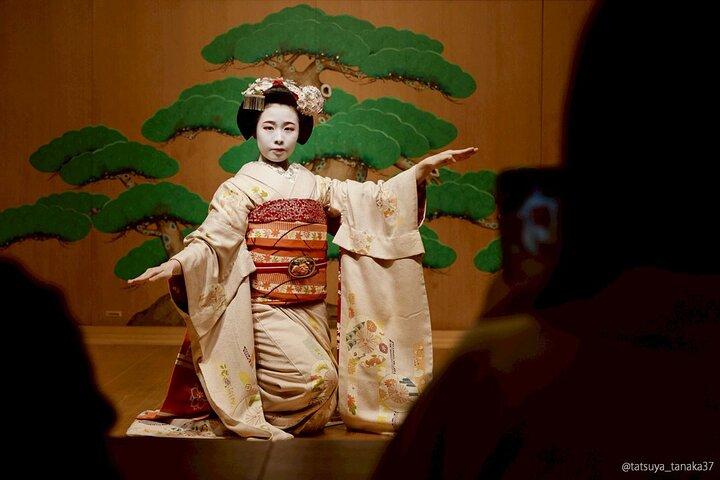
Maiko Dance: Traditional Japanese Culture Live
Maiko Dance: Traditional Japanese Culture Live
Hosted in a compact hall off a central Kyoto street, this live performance balances formality with approachability. Soft overhead lighting bathes the tatami or simple seating, and the stage is close enough that you can hear the faint swish of silk as the maiko moves.
Maiko Dance: Traditional Japanese Culture Live
Customize
Make This Trip Yours
2 more places to explore
Maiko Dance: Traditional Performance & Q&A
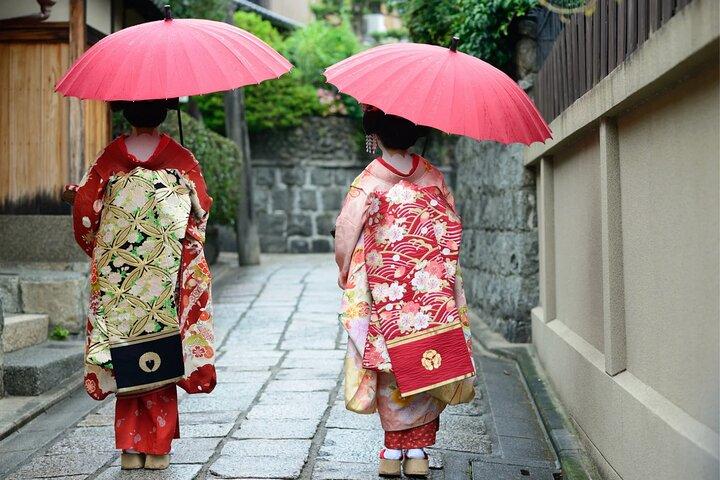
Set in a small tatami-floored hall in Higashiyama, this performance feels more like being invited into a private gathering than attending a show. The air is still and faintly scented with tatami and perfume, and when the maiko steps onto the low stage the scrape of her wooden sandals is almost as loud as the shamisen that follows.
Try: Stay for the Q&A—this is where the performance becomes a real cultural exchange instead of a postcard moment.

Zuikou Kyoto-Kiyomizu Studio
Just off the tourist path near Kiyomizu, Zuikou Studio smells faintly of wet clay and kiln heat, with shelves of half-finished pieces waiting their turn in the fire. Long tables are laid with tools and spinning wheels, and you can hear the soft whirr of pottery wheels and the occasional clink of tools on stone.
Try: Book a session where you throw your own piece on the wheel and have it shipped home once fired.
Before You Go
Essential Intel
Everything you need to know for a smooth trip
What is the best time to visit Kyoto for a cultural and art-focused trip?
How do I get around Kyoto efficiently?
Are there any cultural etiquettes I should be aware of when visiting temples and shrines?
What are some essential items to pack for a 3-day cultural trip to Kyoto?
Are there any local events or festivals happening in December 2025?
What are some must-visit cultural sites in Kyoto?
Can I experience traditional Japanese tea ceremonies in Kyoto?
How can I manage my budget effectively while exploring Kyoto's cultural and art offerings?
Are guided tours available for deeper cultural insights?
How can I experience Kyoto's local art scene?
Coming Soon
Build Your Own Trip
Create your own personalized itinerary with our AI travel agent. Join the waitlist.