Your Trip Story
Paris in winter doesn’t perform for you; it murmurs. The light is pale and deliberate, catching on wet cobblestones in the Marais, rising in thin steam from a bowl of onion soup, pooling in the brass of a Saint‑Germain bar. Coats brush against coats, doorways exhale cigarette smoke and perfume, and the city feels—at last—like it belongs to the people who live here. You’re slipping into that version of Paris, not the one queuing outside the Eiffel Tower at noon. These three days lean into what Paris does best in the cold months: long, late lunches in rooms that glow amber, salons of art and history where you can thaw out among Rodin’s bronzes or under the glass dome of the Petit Palais, and evenings that begin with a quiet glass of Burgundy and end behind an unmarked door in Pigalle. You’re staying central—Marais, Saint‑Germain, the 9e—those neighborhoods that guides keep circling back to for a reason: human‑scale streets, good bread within 50 meters, and more stories per square meter than most cities manage in a lifetime. The days build deliberately. Day one is about orientation and appetite: a serious coffee, the bones of the Latin Quarter, a first slow lunch that resets your internal clock to Parisian time. Day two is the city’s memory—Carnavalet, Louvre, Petit Palais—balanced with Marais bistros and Left Bank cafés that remind you this is still a living, eating city. Day three shifts north and west: Montmartre’s white basilica against a winter sky, the grand axis of the Champs‑Élysées, and the kind of Pigalle bars that locals recommend with a raised eyebrow and a “don’t tell everyone.” You leave with a different Paris lodged under your skin: not just monuments, but the way the 3rd arrondissement feels on a cold morning, the etiquette of a bonjour before you order, the quiet pleasure of recognizing your neighborhood boulangerie by smell before you see it. It’s the memory of candlelight on red wine, of museum guards shrugging on scarves at closing time, of walking home late, hand in hand, through a city that finally feels like it’s walking with you, not away from you.
The Vibe
- Artsy
- Foodie Paradise
- Historic
Local Tips
- 01Always lead with a soft “Bonjour, monsieur/madame” when entering cafés, shops, or museums; Paris etiquette starts with that greeting and you’ll feel the difference in how you’re treated.
- 02Avoid eating while walking; Parisians generally sit to eat, even for a quick pastry, and you’ll enjoy that coffee far more at a zinc counter than on the sidewalk.
- 03Use the Metro for longer hops but walk within central arrondissements; the 2nd, 3rd, 4th, 5th, 6th, and 9th are compact and full of tiny passages you’ll miss underground.
The Research
Before you go to Paris
Neighborhoods
For a taste of Parisian charm, explore the 2nd arrondissement, known for its historic passageways and quaint streets. This smallest district is perfect for leisurely strolls and discovering hidden gems, including unique boutiques and cozy cafés.
Events
If you're visiting Paris in December 2025, don't miss the holiday markets that run from November 21 to January 4, offering a festive atmosphere and a chance to sample seasonal treats. Keep an eye on local listings for concerts and festivals that showcase the vibrant Parisian arts scene during this time.
Etiquette
To blend in with the locals, remember to greet shopkeepers with a polite 'bonjour' before making a purchase, as this small gesture is highly appreciated. Also, avoid eating while walking, as it's considered impolite; instead, enjoy your food at a café or park.
Where to Stay
Your Basecamp
Select your home base in Paris, France — this anchors your journey and appears in the navigation above.
The Splurge
$$$$Where discerning travelers stay

Four Seasons Hotel George V, Paris
A palace hotel just off the Champs‑Élysées where everything feels dialed up: towering floral arrangements scent the air, plush carpets soften your steps, and crystal chandeliers throw prismatic light across marble and gilt. The atmosphere is hushed, with conversations kept to a murmur and staff moving with choreographed grace.
Try: Have a classic Champagne or a signature house cocktail in the bar to soak up the atmosphere without committing to a full meal.
The Vibe
$$$Design-forward stays with character

Hôtel National Des Arts et Métiers
A chic boutique hotel in the 3e with a concrete‑meets‑velvet aesthetic and a lively bar that spills soft music and conversation into the lobby. On weekend nights, you can feel the bass from the courtyard bar thrumming lightly through the building.
Try: Try one of their house cocktails at the lobby bar before heading out to dinner nearby.
The Steal
$$Smart stays, prime locations

Hotel Des Grandes Ecoles
A cluster of old‑school rooms gathered around a leafy garden courtyard in the 5e, feeling more like a country house dropped into the Latin Quarter. Inside, the decor is simple and slightly nostalgic, with creaking stairs and the faint smell of wax and fabric softener.
Try: Have at least one slow morning coffee in the garden when weather allows; it’s unusually peaceful for central Paris.
Day by Day
The Itinerary

Culture
Left Bank Mornings & Marais Nights
The day starts in Saint‑Germain with the smell of freshly ground beans drifting out onto Rue de Bourbon le Château, the kind of cold morning where your fingers wrap gratefully around a hot cup. The light is soft and grey, bouncing off limestone façades as you cross into the Latin Quarter, climbing toward the Panthéon’s colonnades where footsteps echo and winter air moves in quiet drafts through the nave. By lunchtime you’re back in Saint‑Germain, shrugging off your coat in a dining room that feels like a warm greenhouse, glassware catching the pale sun while plates of fish and sauce arrive in slow, confident succession. Afternoon belongs to the Jardin du Luxembourg, even in winter: bare branches scratching at the sky, gravel crunching under boots, the metallic smell of cold iron chairs as you drag two together by the Medici fountain. As dusk falls, the city’s center of gravity shifts east; you slip into the Marais for a Burgundy‑rich dinner in a room humming with low conversation, then end the night with wine and candlelight a few streets away, the clink of glasses and soft laughter spilling into Rue des Tournelles. Tomorrow will move you deeper into Paris’ memory—museums, salons, and the kind of art that makes sense when the sky is this shade of pewter.

Terres de Café Saint-Germain-des-Prés
Terres de Café Saint-Germain-des-Prés
A compact, design‑forward café where the smell of freshly ground beans hits you before the door fully closes behind you. Matte black shelves stacked with bags of coffee line the walls, and the soft whirr of grinders blends with low conversation from a few tightly packed tables.
Terres de Café Saint-Germain-des-Prés
From the café, it’s a 12-minute walk across Boulevard Saint‑Germain and up into the Latin Quarter, climbing gently toward the Panthéon’s hilltop square.
Panthéon
Panthéon
A neoclassical giant perched above the Latin Quarter, its colonnaded façade stark against the sky and its cavernous interior cool and echoing. Inside, the air smells faintly of stone and wax, with Foucault’s pendulum swinging silently under the dome while visitors’ footsteps ring on the marble.
Panthéon
From the Panthéon, wander downhill through side streets toward the river, then cross back into Saint‑Germain; it’s a 10-minute stroll to lunch.

Le Jardin Saint-Germain
Le Jardin Saint-Germain
An elegant dining room that feels half‑conservatory, half‑salon, with plenty of glass, greenery, and warm lighting that turns even a grey day honey‑colored. The hum of conversation rises gently as service progresses, punctuated by the soft thud of plates landing and the pop of corks.
Le Jardin Saint-Germain
After lunch, it’s a gentle 15-minute walk along Saint‑Germain’s bookshops and side streets to the gates of Jardin du Luxembourg.

Jardin du Luxembourg
Jardin du Luxembourg
A formal garden in the 6e with gravel paths, clipped lawns, statues, and the stately Luxembourg Palace presiding over it all. In winter, bare branches and grey skies give it a crisp, architectural beauty, with the crunch of gravel underfoot and the metallic scrape of green chairs being moved.
Jardin du Luxembourg
Exit toward the north side of the garden and catch Metro line 4 from Odéon to Saint‑Paul; from there it’s a 6-minute walk into the heart of the Marais for dinner.

Au Bourguignon du Marais
Au Bourguignon du Marais
A polished but welcoming bistro on Rue François Miron, all warm wood, framed art, and tables laid with white cloths that catch candlelight. The room smells of slow‑braised meats, garlic, and Burgundy, with a low buzz of conversation that never quite tips into noise.
Au Bourguignon du Marais
After dinner, it’s a leisurely 7-minute walk through quiet Marais streets to your wine bar nightcap.

Les Amoureuses
Les Amoureuses
A compact wine bar near Place des Vosges where candlelight and low lamps throw soft shadows on stone walls and the hum of conversation feels intimate rather than loud. Bottles line the shelves, and the smell of cheese, cured meats, and open wine hangs gently in the air.
Les Amoureuses

History
Paris Remembers: Marais Stories & Left Bank Nights
The second morning smells of butter and yeast on Rue du Faubourg Saint‑Martin, the kind of bakery aroma that stops you mid‑stride before you even see the sign. Inside Levain, Le Vin, there’s the soft crackle of crust being cut, the gentle clink of wine bottles as they’re shifted on shelves, and the low murmur of neighbors grabbing a coffee before work. By late morning you’re in the Marais, moving through Carnavalet’s mansions where the city’s history is laid out in rooms of creaking parquet and gilded frames, a far cry from the anonymous white cubes of most museums. Lunch is a snug table at Le Colimaçon, raw stone walls and wooden beams wrapping around you like a wool coat as duck confit arrives crisp‑skinned and glistening. The afternoon is for a different kind of salon: 59 Rivoli, the former squat turned artist hive, where music spills from one studio and the smell of oil paint hangs in the stairwell. As the sky darkens, you cross the river to Saint‑Germain again, sliding into a brasserie where the mirrors fog slightly from the heat and the crowd feels half‑local, half‑theatre. The night ends in the 9e at Le Subterfuge, a bar that feels exactly like its name—dim, conspiratorial, and easy to lose track of time in. Tomorrow, the city gets grander: basilicas, palaces, and palace hotels that remind you Paris can still do drama on a monumental scale.

Levain, Le Vin
Levain, Le Vin
Part bakery, part wine bar, this cozy spot smells of warm sourdough, chocolate, and a faint mineral note from open bottles of natural wine. Wooden shelves hold loaves and labels side by side, and there’s a gentle clatter of plates and glasses from the small bar area.
Levain, Le Vin
From Levain, Le Vin, hop on Metro line 4 at Château d’Eau to Saint‑Paul; from there it’s a 7-minute walk through the Marais’ narrow streets to Carnavalet.
Carnavalet Museum
Carnavalet Museum
Housed in adjoining Marais mansions, Carnavalet is all creaky parquet floors, carved staircases, and rooms that feel more like salons than galleries. The air is cool and still, carrying the faint smell of old wood and paper as you move from Revolution relics to Belle Époque shop signs.
Carnavalet Museum
Le Colimaçon is about a 9-minute walk away through Rue des Francs‑Bourgeois and Rue Vieille du Temple, passing boutiques and old townhouses.

Le Colimaçon
Le Colimaçon
A snug Marais bistro with low ceilings, raw stone walls, and wooden beams that feel like they’ve seen centuries of dinners. The air is thick with the smell of duck, garlic, and reduced sauces, and the soundtrack is a warm tangle of cutlery, clinking glasses, and overlapping conversations.
Le Colimaçon
After lunch, walk 12 minutes toward the Seine and along Rue de Rivoli to reach 59 Rivoli, watching the neighborhood shift from medieval lanes to grand boulevards.

59 Rivoli
59 Rivoli
A former artist squat turned legal studio complex, its stairwell a riot of graffiti, stickers, and paint drips. Each floor opens onto working studios where the air smells of oil paint, coffee, and occasionally incense, while music spills from open doors.
59 Rivoli
From 59 Rivoli, cross the Seine via Pont des Arts and wander through Saint‑Germain’s side streets; Brasserie des Prés is about a 17-minute walk.

Brasserie des Prés
Brasserie des Prés
A lively Saint‑Germain brasserie with classic bones—mirrors, banquettes, globe lights—but a slightly updated, polished sheen. The air carries the smell of butter, seared meat, and good coffee, with a soundtrack of clinking glasses and overlapping conversations.
Brasserie des Prés
After dinner, take Metro line 12 from Sèvres‑Babylone up to Pigalle; from there it’s a 6-minute walk along Rue Jean‑Baptiste Pigalle to Le Subterfuge.

Le Subterfuge
Le Subterfuge
A compact Montmartre‑adjacent bar with warm wood, low lighting, and a bar counter that feels like the center of gravity. The room smells of fresh citrus and spirits, and the soundtrack is curated to be present without overpowering the low murmur of conversations.
Le Subterfuge

Spectacle
Grand Gestures: Montmartre, Monuments & Midnight Bars
By the third morning, Paris feels familiar: the way your breath clouds in the air, the particular grey of the Seine, the sound of Metro doors snapping shut. You begin quietly at Maslow on Quai de la Mégisserie, watching the river slide past as you wrap your hands around a hot cup and share something simple and precise from their kitchen. Then it’s time for the big hitters: the Louvre’s courtyard, glass pyramid catching whatever light the sky offers, followed by a climb up to the Sacré‑Cœur, its white stone basilica almost glowing against the winter clouds while the city sprawls in muted tones below. Lunch happens down by the canal at L’angelus du canal, where the waterway runs slow and steel‑grey and the room inside is all convivial warmth, clinking glasses, and plates of honest food. The afternoon is for beauty on a grander scale at the Petit Palais, where the inner courtyard garden feels almost surreal in winter, palms and columns sheltering you from the cold. As evening falls, you swing by the Arc de Triomphe and the nearby Four Seasons George V, where the floral‑scented lobby and hushed corridors are a reminder of Paris’ taste for excess. The night ends back in the 9e at Chambre 01, a bar that feels like a private lair, and, if you have one more secret in you, through an unmarked door at No Entry, where the music, the low light, and the strong drinks turn your last night into a soft blur. Tomorrow, the city will feel smaller, but in the best way—you’ll recognize its corners and know exactly where you’d go first if you came back.
Maslow
Maslow
A sleek café‑restaurant on Quai de la Mégisserie with big windows that drink in the light off the Seine. Inside, the lines are clean—wood, metal, and soft textiles—with the comforting hiss of the espresso machine and low conversation creating a gentle background hum.
Maslow
From Maslow, it’s a 10-minute walk along the Seine and through the Tuileries to the Louvre’s main courtyard.

Louvre Museum
Louvre Museum
A sprawling former palace turned encyclopedic museum, anchored by I.M. Pei’s glass pyramid in the central courtyard. Inside, galleries unfold in endless succession, the air scented with old stone and varnish, while outside the courtyard stones echo under tourist footsteps and camera shutters.
Louvre Museum
After the museum, take Metro line 1 from Palais Royal – Musée du Louvre to Anvers, then walk uphill through Montmartre’s streets to Sacré‑Cœur; allow about 30 minutes door to door.

Basilique du Sacré-Cœur de Montmartre
Basilique du Sacré-Cœur de Montmartre
A white basilica crowning Montmartre, its domes visible from across the city and its steps serving as an informal amphitheatre. Inside, the air is cool and smells faintly of incense and stone, while outside buskers play guitar and the wind tugs at coats.
Basilique du Sacré-Cœur de Montmartre
From Sacré‑Cœur, walk down toward Barbès – Rochechouart, then take Metro line 4 to Gare de l’Est and walk 10 minutes along the canal to L’angelus du canal.

L’angelus du canal
L’angelus du canal
A canal‑side restaurant in the 10e where big windows look out over the slow water and iron footbridges of Canal Saint‑Martin. Inside, the room feels warmly lit and convivial, with the clink of cutlery and the murmur of conversations bouncing softly off the walls.
L’angelus du canal
After lunch, hop on Metro line 5 from Jacques Bonsergent to Champs‑Élysées – Clemenceau; Petit Palais is just across the avenue.

Petit Palais
Petit Palais
A Belle Époque museum with a grand, curved façade and an interior that wraps around a lush central courtyard garden. Inside, gilded moldings, mosaic floors, and high windows create a luminous backdrop for paintings and sculptures.
Petit Palais
From Petit Palais, walk 12 minutes up Avenue des Champs‑Élysées to the Arc de Triomphe, taking in the grand axis as you go.

Arc de Triomphe
Arc de Triomphe
A massive stone arch anchoring the western end of the Champs‑Élysées, its sculpted reliefs and eternal flame honoring France’s war dead. Traffic circles endlessly around it, a constant roar that contrasts with the solemnity beneath the vault.
Arc de Triomphe
Customize
Make This Trip Yours
5 more places to explore
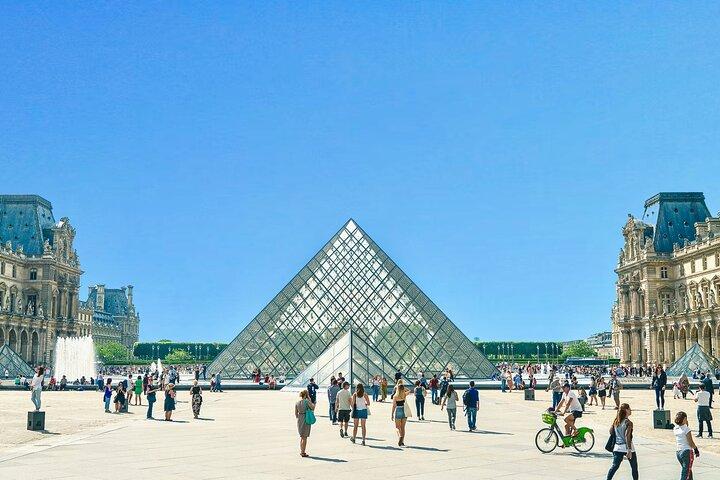
Paris Walking Tour: City Center Highlights
A guided walk that threads you through the medieval lanes and grand boulevards of central Paris, from plazas like Saint‑Michel to the bridges over the Seine. The soundtrack is your guide’s voice layered over church bells, Metro grumbles beneath your feet, and the occasional siren ricocheting between stone façades.
Try: Ask your guide for their personal favorite bakery or wine bar at the end; locals often have one or two spots they only share when asked directly.

Chambre 01
It’s the sort of intimate, design‑sensitive cocktail room that makes a winter night feel cinematic—exactly the hidden‑salon energy you asked for.
Try: Let the bartender build you a bespoke cocktail based on your favorite spirit; this is where their creativity really shows.
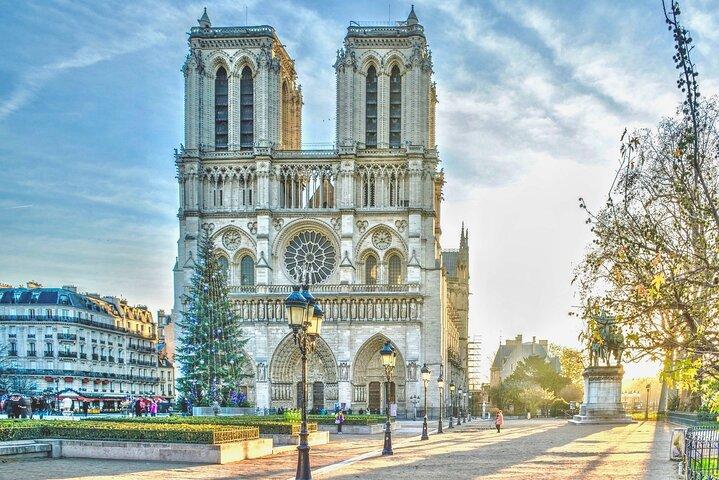
Paris Historic City Center Tour
A focused walk through the 4th arrondissement, weaving from the Île de la Cité out into the medieval streets of the Marais and along the Seine. You’ll hear stories layered over the real‑time soundtrack of traffic on the quays, church bells, and the low thrum of boats passing under bridges.
Try: Ask your guide to point out their favorite quiet side street or courtyard in the Marais so you can double back later on your own.

Bistrot Instinct
A two‑level Marais bistro with an easy, contemporary feel: exposed brick, art on the walls, and a soft, flattering light that makes the whole room glow. The open kitchen sends out little waves of roasted vegetables, seared fish, and caramelized sugar as plates move past your table.
Try: Try whatever seasonal starter they’re excited about—artichoke with goat cheese has been a standout—and trust the short menu.

Les Insouciants
A corner spot on Boulevard Saint‑Germain that shifts easily between café, bar, and casual restaurant, with big windows that pull in the street life outside. Inside, there’s a mix of bar stools and tables, the air carrying the smell of grilled burgers, coffee, and the occasional waft of wine.
Try: Order a glass of wine and share a plate of fries or a burger if you need something unfussy and satisfying.
Before You Go
Essential Intel
Everything you need to know for a smooth trip
What is the best time to visit cultural sites in Paris?
How do I get around Paris efficiently?
What should I pack for a winter trip to Paris?
Are there any cultural etiquette tips I should be aware of in Paris?
How can I experience authentic Parisian cuisine?
What are some budget-friendly cultural activities in Paris?
Is it necessary to book restaurant reservations in advance?
What are the best neighborhoods to explore for culture and food?
What events can I attend in Paris in December?
Are taxis readily available and recommended for getting around Paris?
Coming Soon
Build Your Own Trip
Create your own personalized itinerary with our AI travel agent. Join the waitlist.